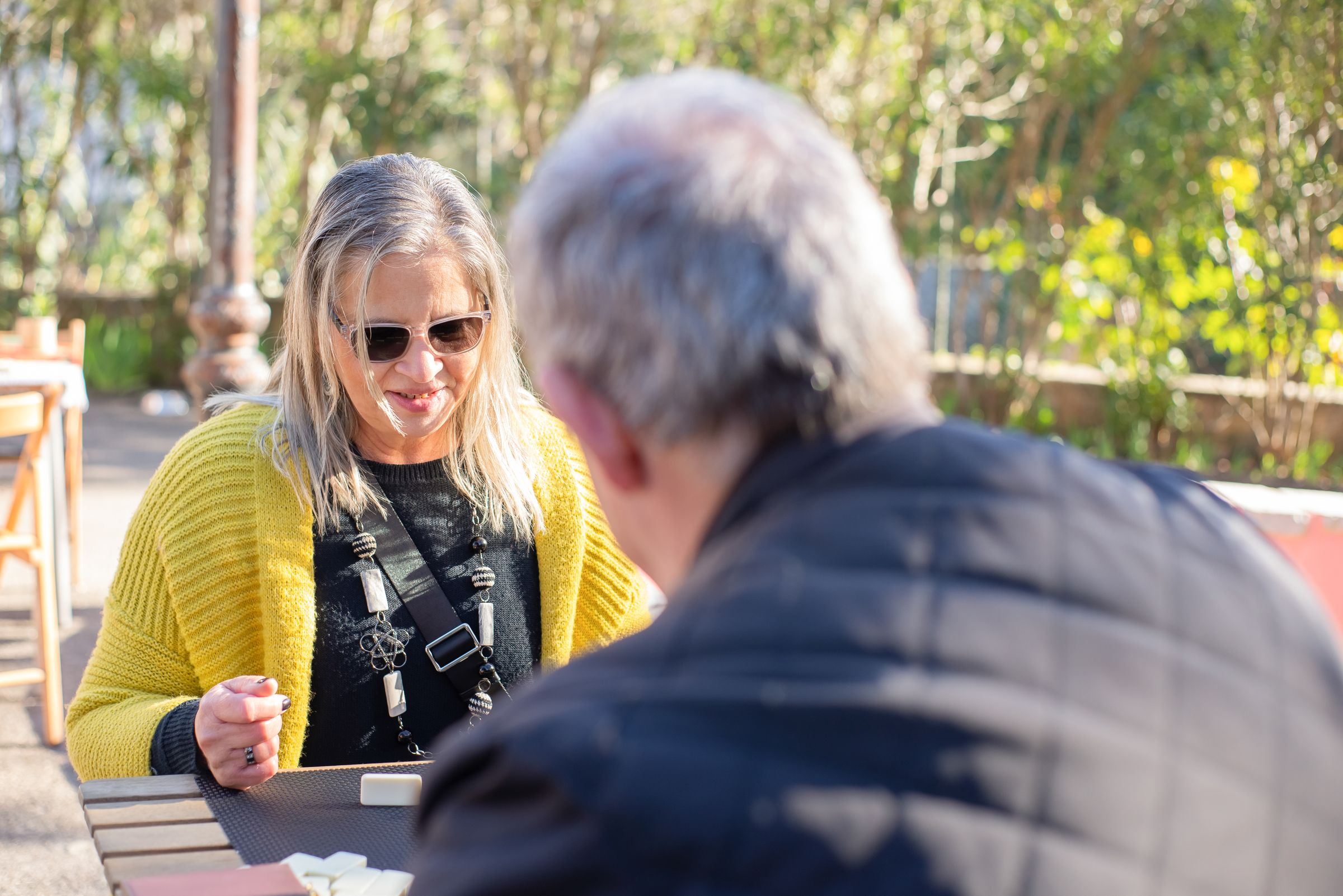
It sounds like a question. It is actually an act of care. In Puerto Rico, an invitation to someone's home rarely arrives as an invitation at all — it arrives as ¿Ya comiste?, asked by someone who has already decided the answer doesn't matter, because there will be a plate for you regardless.
Meals here are rarely rushed. Someone always insists on another serving before the first is finished. Someone always remembers a story that has been told a hundred times and somehow still earns a laugh. Someone always laughs loud enough that another table, at another house, might as well be listening in. None of this is performance. It is simply how the day is organized — around whoever is present, rather than around a clock.
The House has come to believe that a visitor understands very little about Puerto Rico until they have been asked to sit down at someone's table — not a restaurant table set for them, but a family's own, with its mismatched chairs and its abuela presiding quietly from one end of it. Everything else — the coastline, the architecture, the museums — can be observed. This has to be received.
This is why the House listens before it curates. A table cannot be reserved the way a room can. It has to be earned, gently, through relationships the House has spent years building with the families, cooks, and neighborhood institutions who agree to open their doors to a Collector. What looks simple from the outside — a lunch, an afternoon, a plate of rice — is, in practice, the most carefully stewarded chapter the House offers.
A stranger who receives a bendición from someone's abuela, or is waved into a kitchen by a titi who has already decided they are staying for lunch, has crossed a threshold most visitors to this island never find. That threshold is what this Collection exists to open.
This Collection is not designed to introduce Collectors to Puerto Rican food. It is designed to introduce them to a family's table — and to what it feels like to be asked to stay for another plate.
It is a long Sunday afternoon, and three generations are gathered around the same table. Someone was cooking before anyone else woke — the smell of arroz con gandules has been drifting through the house for an hour, and by the time relatives start arriving, half-announced, the pernil is already turning gold in the oven. Every arrival is the same small ritual: a bendición asked of the eldest in the room, a kiss on the cheek, a plate offered before a coat is even set down.
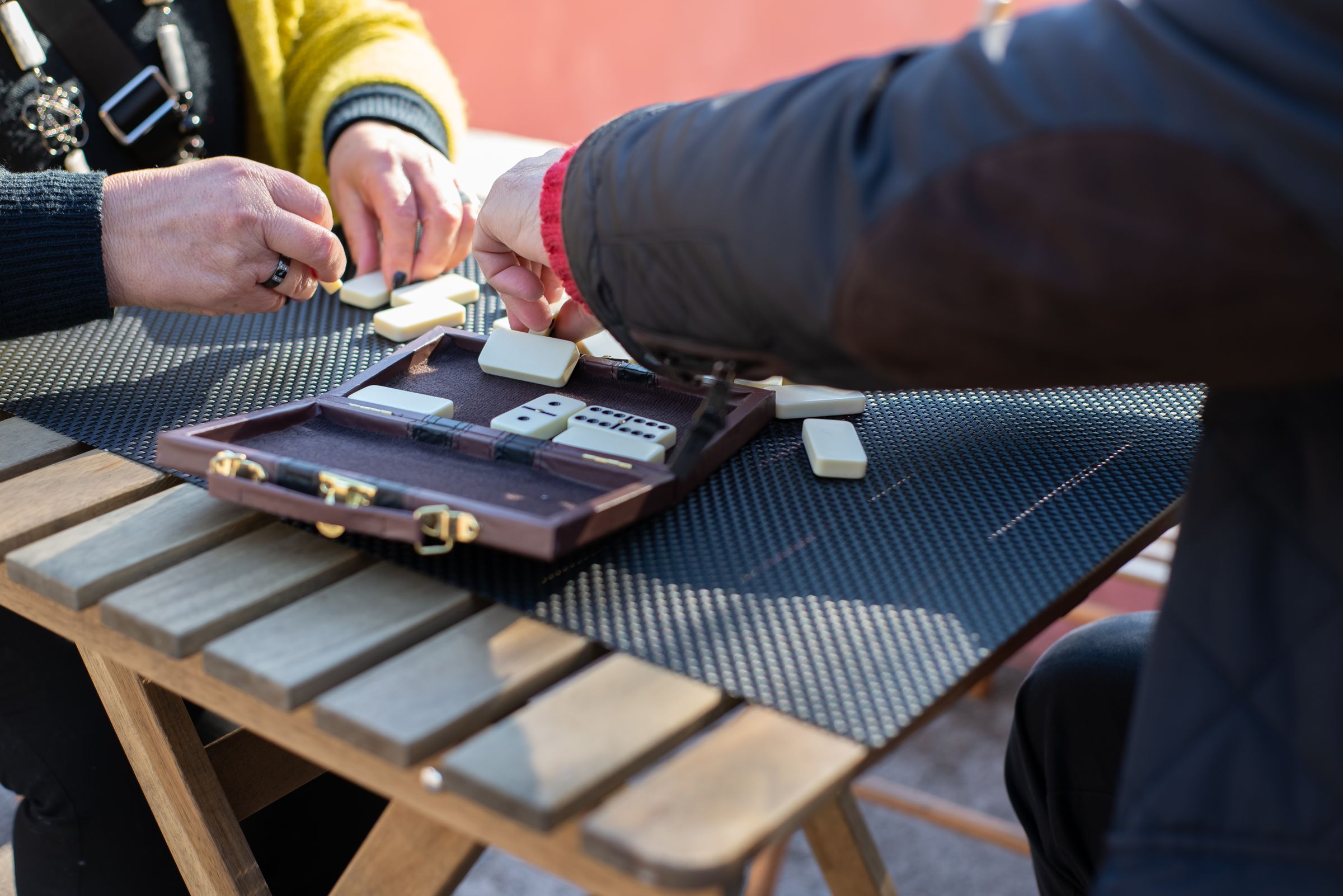
Children run through the house in a game with rules no adult could explain. Someone is carving the pernil. Someone else is already setting up the dominoes, tiles clicking against the table in a rhythm that will continue, on and off, for the rest of the day. Nobody is checking the time, because there is nowhere else the day is supposed to go.
The plates are cleared, eventually, but the table doesn't empty. Coffee brews before dessert is even mentioned. The meal slowly becomes conversation. The conversation slowly becomes memory — the kind that gets retold at the next Sunday table, and the one after that, until it belongs to the family the way the recipes do.
This Collection does not run on a schedule of meals. It runs on a rhythm of gathering — the sequence a table moves through, whether it belongs to a family, a fonda, or a roadside kiosko that has been feeding the same neighborhood for forty years.
¿Ya comiste? asked before anything else — the question that quietly turns a stranger into someone expected.
Pots already going before anyone arrives. The real welcome often happens here, long before the table is even set.
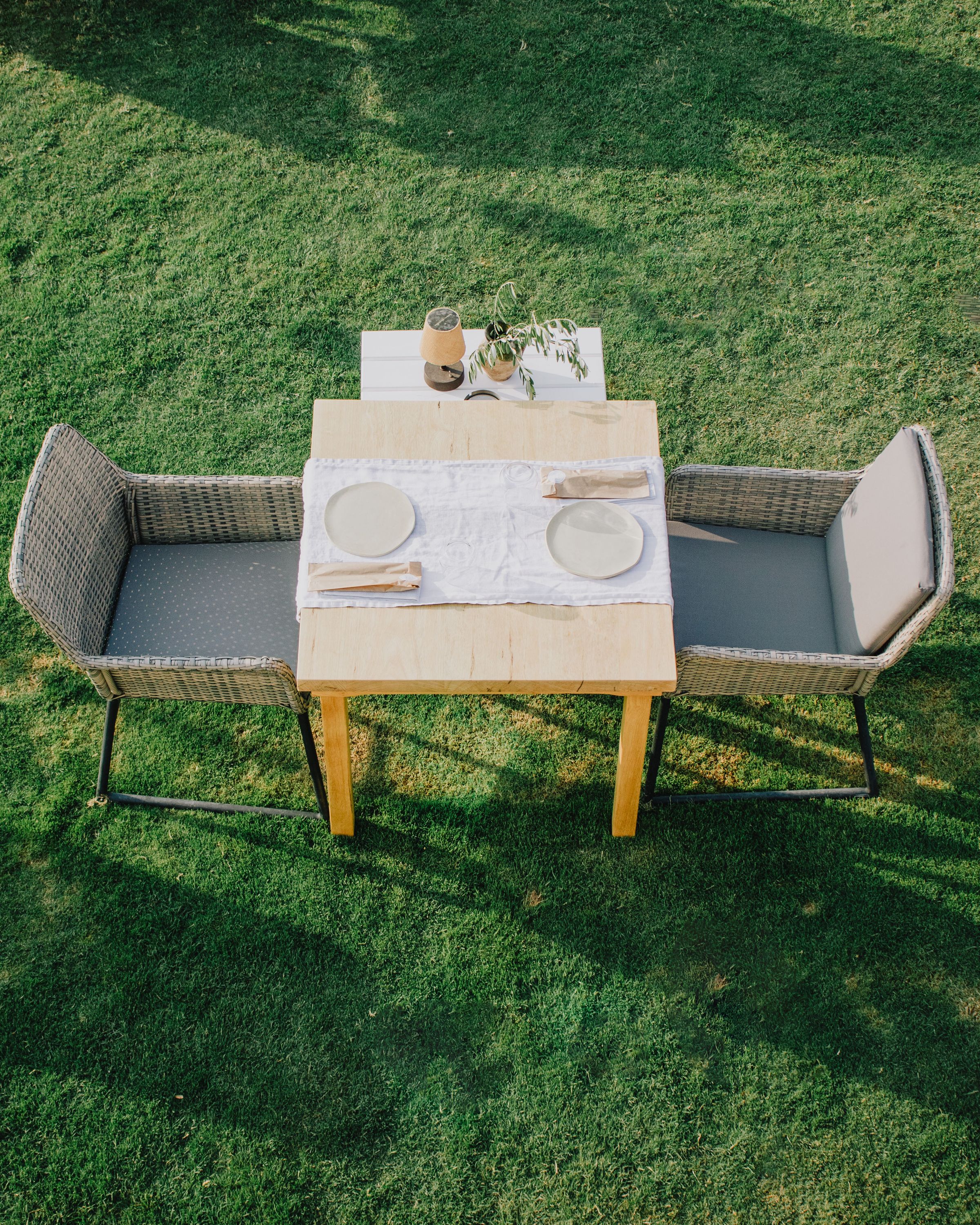
Chairs pulled in from other rooms, plates that don't match, and always, somehow, room for one more.
The meal ends. The table doesn't empty. This is where the real conversation usually begins.
Coffee, dominoes, and a promise to do this again soon — offered so warmly it is never really in doubt.
The table is the first place where strangers become guests.
It is also the place where guests often become family.
Nothing about this happens quickly, and nothing about it can be manufactured. It happens because someone decided, without being asked twice, that there was room for one more — and because the person who sat down understood that the correct response was gratitude, not distance.
These are not the island's top places to eat. They are the places, and the occasions, that most often teach a Collector what a Puerto Rican table actually is — and why the House keeps returning to them.
A neighborhood panadería, open before light
It matters because it is the first meal of the day for half the block — pan sobao still warm, a quesito for the walk, an avena for anyone who didn't have time to sit.
Arrive while the ovens are still hot. The bread changes by the hour, and rarely for the better after nine.
A family-run fonda with no printed menu worth trusting
It matters because the food changes with what the cook decided to make that morning, not with what a laminated menu says is available. This is home cooking, sold at a counter rather than served at a family table — but it comes from the same instinct.
Ask what today's plato del día is. It is almost always the better order.
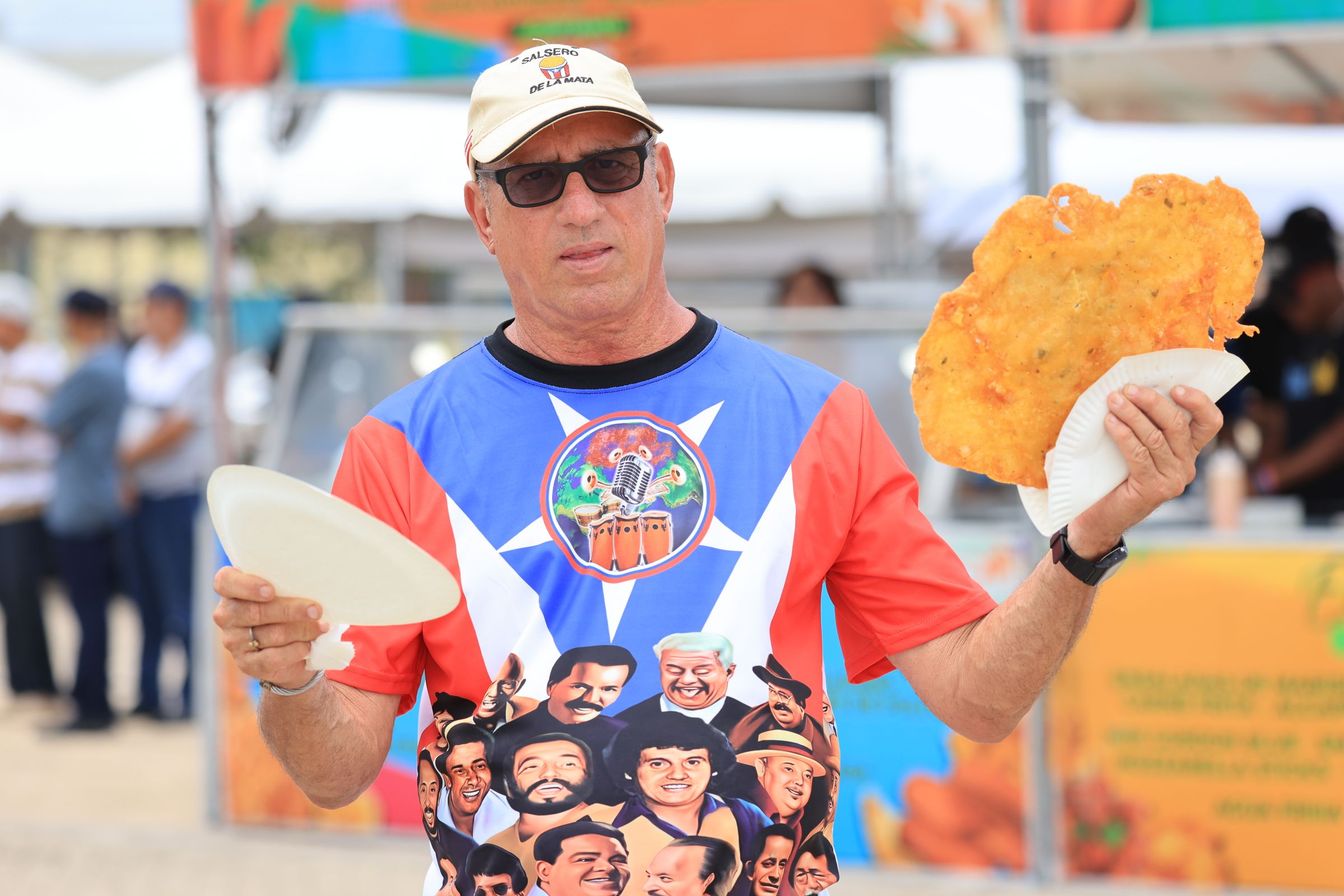
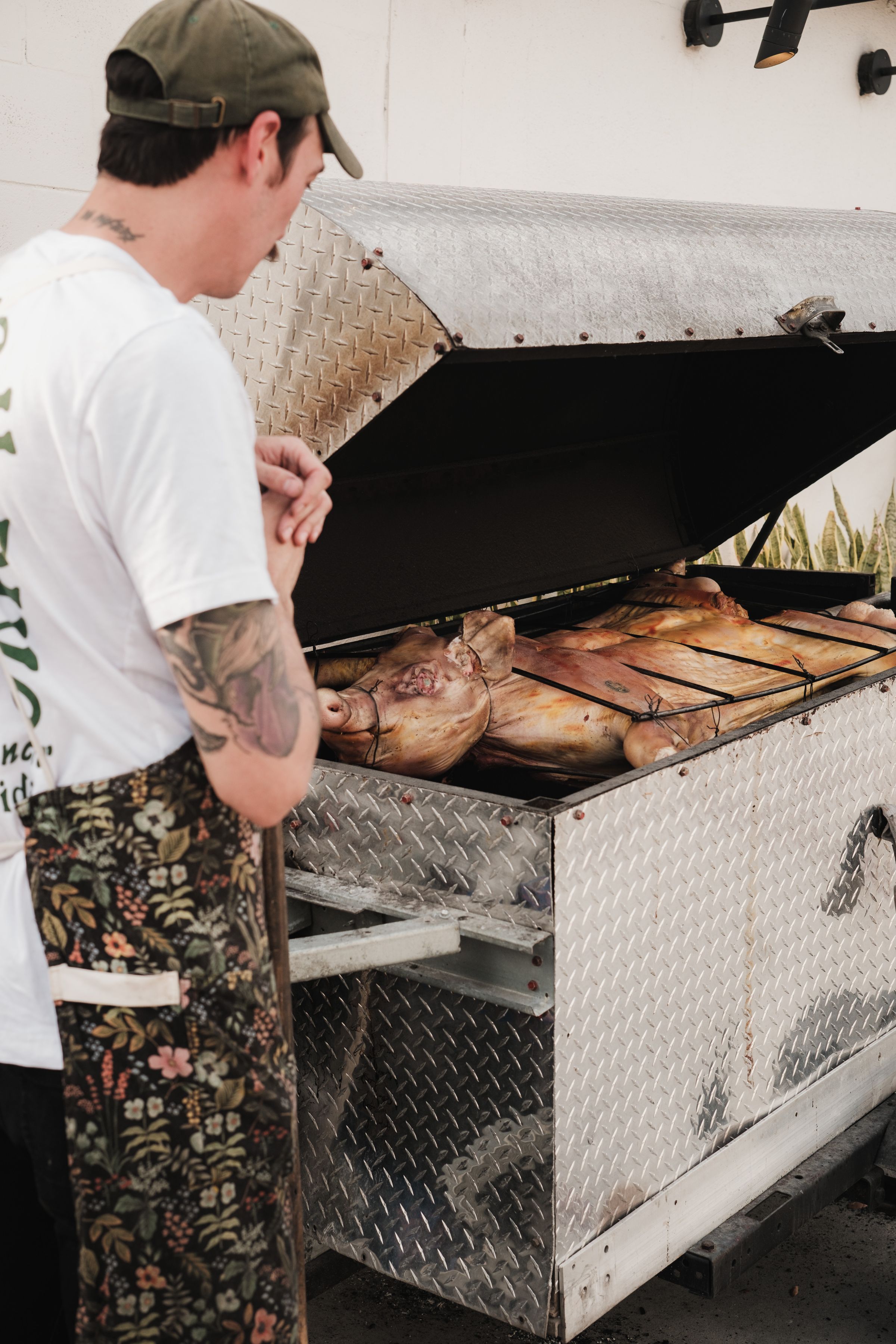
A roadside lechonera, hours from the pig going on the spit
It matters because nothing about it is fast, and nothing about it is meant to be eaten alone. Long communal tables, the smell of woodsmoke, and a pig that has been turning since before anyone arrived — this is Puerto Rican hospitality at its least private and most generous.
Come hungry and unhurried. Whoever is at your table when you sit down will likely still be there when you leave.
A corner colmado, where regulars outnumber customers
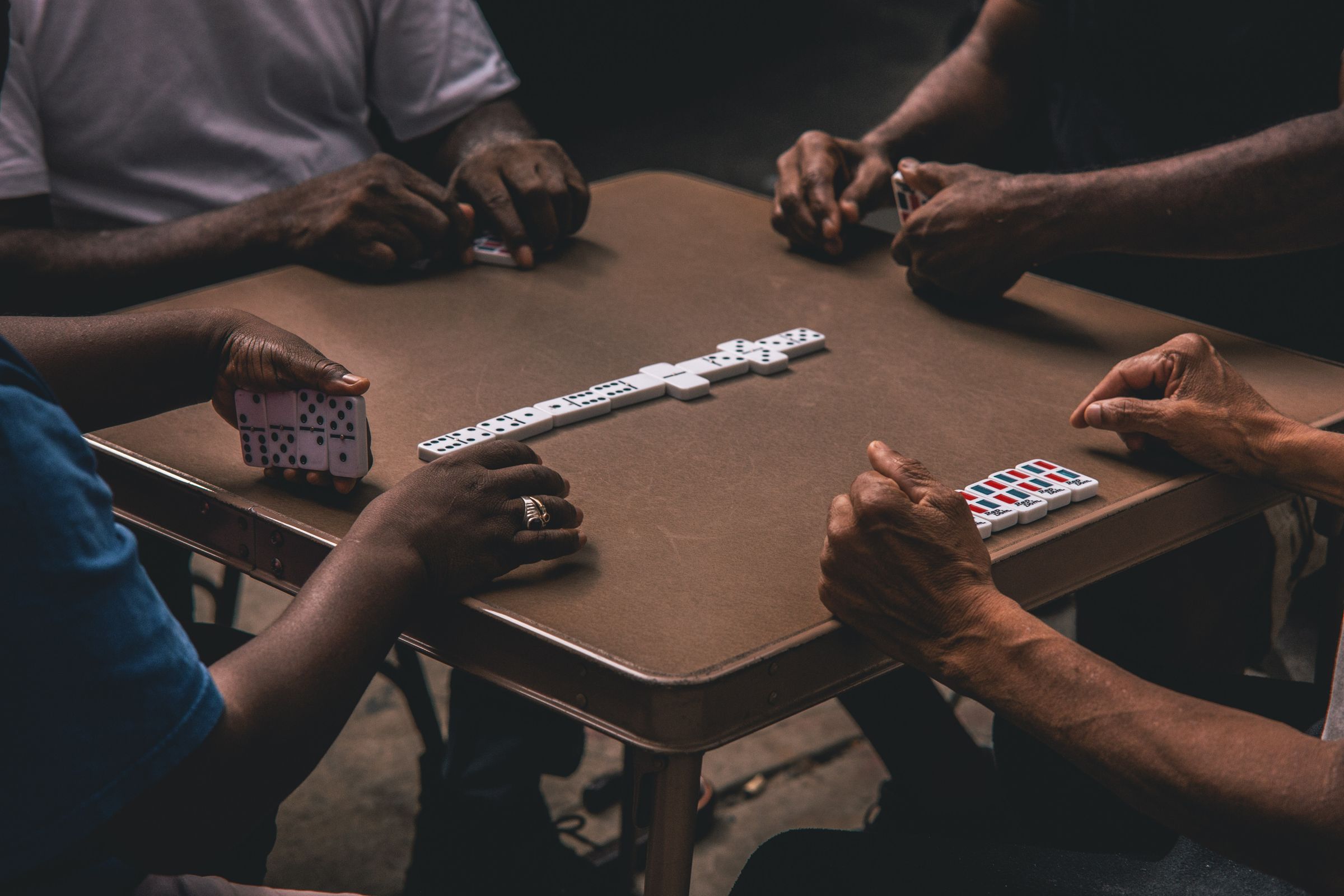
It matters because it is less a store than a living room with a cash register — a place for a cafecito, a game of dominoes, and news that traveled faster than any newspaper could carry it.
Sit if there's a chair free. You will be included in the conversation whether or not you say a word.
A stretch of roadside kioskos, each with a specialty and a following
It matters because every stand has its defenders, and the argument over whose alcapurrias are better has been running longer than most of the stands themselves. Choosing one is a decision the House prefers to leave in local hands.
Order from three, not one. Comparing notes is half the point.
A family's own Sunday table, opened to a Collector
It matters more than any restaurant on this list. A small number of families, chosen with great care and real trust, occasionally welcome a Collector to sit at their own Sunday table — not as a performance of tradition, but as the tradition itself, simply carried on with one more chair.
Bring nothing but an appetite and no plans for the rest of the afternoon. Both will be needed.
A town's patronal festival, plaza ringed with food stalls
It matters because it is a whole community's version of a family table, scaled up for a weekend — the same generosity, the same insistence that you eat, multiplied across an entire plaza.
Go on the festival's second night, not its first. By then the town has settled in, and so has the food.
These are represented as they most often appear, not as a guarantee. Season, family availability, and — most of all — the particular Collector determine what actually finds its way into any given Edition. The House curates; it does not template.
A Chinchorreo is not about arriving somewhere. It is about deciding not to hurry. One stop becomes three. Lunch becomes coffee. Coffee becomes music. Someone recommends another kiosko, and the route changes — nobody minds, because the route was never really the point.
The best Chinchorreos are remembered for the people, not the map: the family at the next table who insists you try their alcapurria, the stranger who becomes a friend somewhere between the second stop and the third. This Collection has become the House's primary home for the tradition — designed around scenery, food, and conversation, at whatever pace the day decides to move.
Cordillera Central
A slow climb through the central mountains, kioskos and lechoneras strung along a road that keeps opening onto another valley view. Live música often finds its way in by mid-afternoon, uninvited and entirely welcome.
Along the Northeast Coast
A string of oceanfront kioskos, salt air, and fried classics — alcapurrias, bacalaítos — eaten standing up with the surf close enough to hear. Best begun in the late afternoon, so it drifts naturally into evening.
A Mountain Town's Central Plaza
Fondas and colmados ringing a town square built two centuries before cars were invented for it. An afternoon here turns into evening without anyone planning it that way — which is, admittedly, the entire idea.
A number of words appear throughout this Collection without translation, the way they would in conversation. Their meanings, for the Collector who wants them, are gathered quietly here — a margin, not a glossary.
Moving unhurried between kioskos and lechoneras over an afternoon, for the company more than the destination.
The conversation that continues at the table long after the plates have been cleared.
A small, strong coffee, usually offered rather than requested, and rarely just about the coffee.
A roadside restaurant built around slow-roasted whole pig, often with communal outdoor tables.
A modest, family-run restaurant serving the kind of home cooking rarely written down.
A neighborhood corner store that doubles as a meeting place, a domino table, and a source of news.
A roadside food stand, often one of a strip of others, each with its own specialty and its own regulars.
A soft, slightly sweet local bread, best eaten still warm, ideally with butter.
A flaky pastry filled with sweetened cream cheese, found at nearly every panadería.
A warm oatmeal drink, spiced with cinnamon, often served for breakfast or after a long afternoon out.
Grandmother, and aunt — though titi is often extended informally to any woman close enough to a family to earn it.
A blessing asked of an elder upon greeting or leaving, completed by their reply: Dios te bendiga.
Where you stay is decided only after the House understands who is arriving — and for a Collection built around family, that usually means somewhere with room enough for one, or several generations, to gather comfortably. What follows is a sense of the range the House works within, not a menu to choose from.
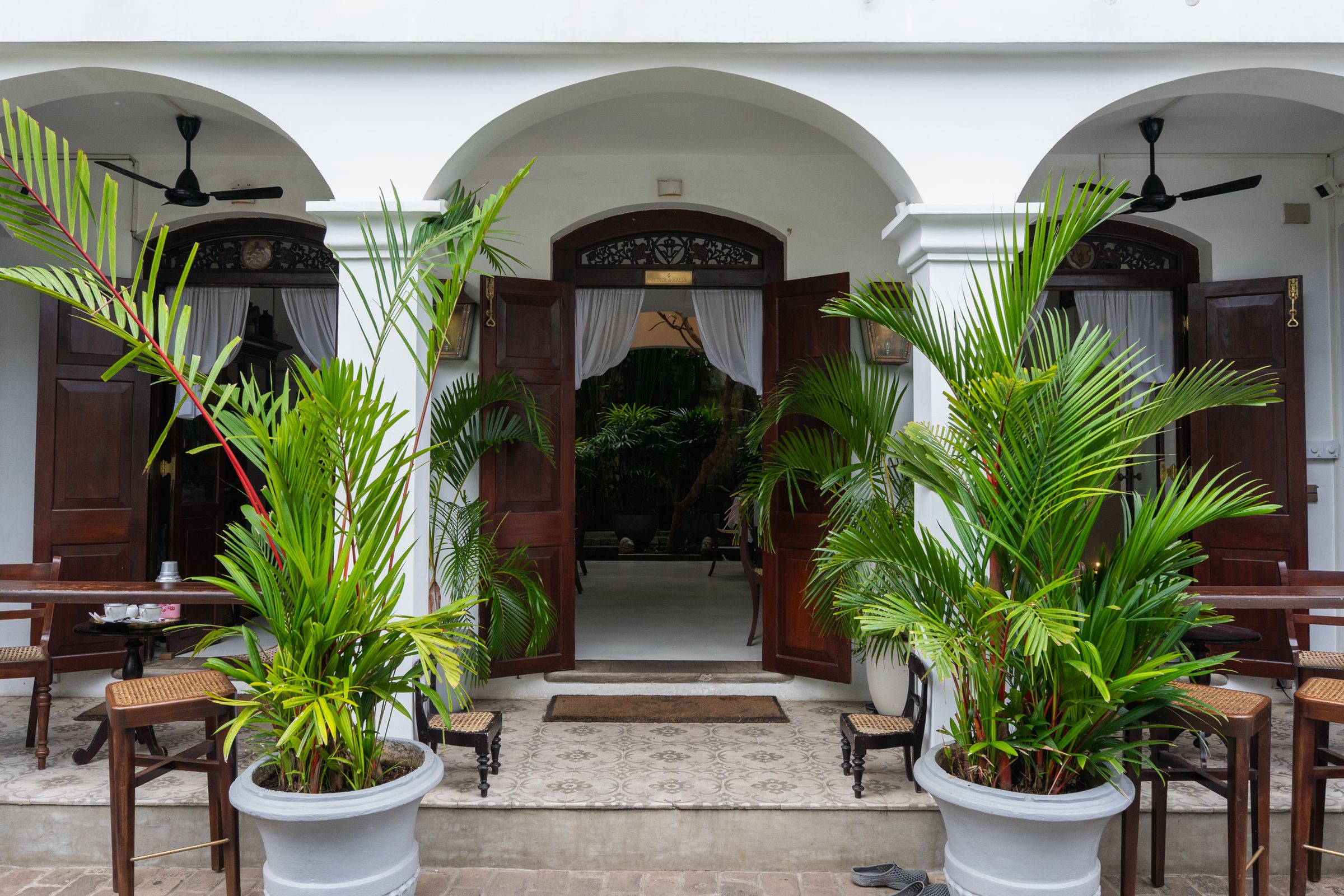
A restored residence with a handful of rooms, chosen for a long communal breakfast table and a host who treats every departure like a small loss.
A working countryside property run by the same family for generations, where the kitchen is often the real center of the house — and multigenerational groups are not an inconvenience but the whole point.
A House-arranged home entirely a family's own, with a proper dining table and a kitchen built for cooking together — quiet, unhurried, and built around a long Sunday rather than a checkout time.
This Collection is for multigenerational families, and for anyone who believes the best part of a journey is who they shared it with. It is for Collectors who would rather be introduced to a family than shown a menu, and who understand that the warmest welcome rarely arrives on schedule.
It is not for Collectors seeking a quiet table apart from the noise. It rewards a willingness to be folded into someone else's gathering — second helpings, overlapping conversations, children underfoot — and to let it run long, the way the best ones always do.
If you believe a trip is best measured by who you shared a table with, this Collection was written for you.
A Collector rarely remembers the third course.
They remember who reached across the table to serve them the fourth.
A small, changing set of references the House associates with this Collection — not a packing list, and not required reading. Simply what comes to mind.
Recipes written on stained index cards — measurements given "a ojo," by eye, so the dish is never made quite the same way twice, and always still tastes like home.
A table with mismatched chairs — borrowed from other rooms as more relatives arrive, and never once treated as a problem to solve.
The smell of fresh pan sobao — drifting from a bakery with no sign, announcing the day before anyone has said a word about it.
Bomba y plena from a car radio, or trío guitars after dinner — never the centerpiece, always somewhere in the background of the memory.
Sofrito hitting hot oil — the smell that announces, before anyone says a word, that lunch is close.
Conversations that continue long after dessert — and someone at the table who wins at dominoes just a little too often to be trusted.
"We thought we would come home talking about the pernil. Instead we came home talking about a woman we had met only once, and her insistence that we take a second plate before we had finished the first. We never learned to make the rice quite right. We learned something better — what it feels like to be waved into someone's kitchen as though we had always belonged there."
From a Collector's letter, after a Sunday spent at someone else's table
Hands of Puerto Rico
If the Family Table teaches how Puerto Rico welcomes you, Hands of Puerto Rico introduces the people whose work keeps those traditions alive.
Explore the Collection →The Coffee Highlands
Back up into the mountains, where the coffee cooling on that table began — grown by hand, by a family much like the ones you've just met.
Read the Collection →The Journal
Further essays on the House's philosophy, the island, and the people who shape both.
Read the Journal →Every Collection begins as a conversation. The places come later.